Case Stories

Case Stories

UMHS Earns Its Wings

Resurrecting Quaker Oats


Participants said their healthcare clinics and hospitals  don’t care about them.  usually associate  healthcare with angels. Especially Hispanics. All too often for use they are quite the opposite. Finding the right doctor.  Navigating. Billing. Our appointment times are too short.  Diagnoses? Treatment? Surgery?  We get scared, confused, feel abandoned.  And worst of all we are treated by doctors that act like they don’t care. Some of us, particulary Hispanics, turn to God, Jesus, Angels or the Virgen of Guadalupe to help, protect, and maybe even cure us. We pray for miracles. But many believe the role of Angels is to watch over us and keep us safe.

There is a deeply religious aspect that permeates Hispanic culture. As fear increases and hope erodes, their  faith becomes a lifeline to get through hard and desparate times. They are comforted to know angels truly care and look after them. It’s their job.  If only healthcare providers were as compassionate as the angels.

That says a lot, doesn’t it?

University of Miami Health System (UMHS) listened.  They knew what it had to do. But knowing what to do is one thing. Knowing how to do it especially when a real solution seems impossible.

For over xx years Quaker Oat had an ubiquots presence in every kitchen cupboard across America.  cerea;s s floading market nand QR becan  losing iis food hold.

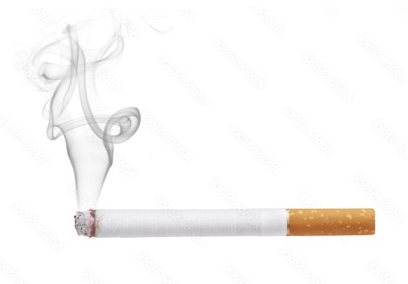
Transforming Smokers Into Non-Smokers

Your content goes here. Edit or remove this text inline or in the module Content settings. You can also style every aspect of this content in the module Design settings and even apply custom CSS to this text in the module Advanced settings.

Becoming a New World For Kids

Transforming Smokers Into Non-Smokers

Your content goes here. Edit or remove this text inline or in the module Content settings. You can also style every aspect of this content in the module Design settings and even apply custom CSS to this text in the module Advanced settings.

Healthcare Angels

Healthcare Doesn’t Care

Participants said their healthcare clinics and hospitals  don’t care about them.  usually associate  healthcare with angels. Especially Hispanics. All too often for use they are quite the opposite. Finding the right doctor.  Navigating. Billing. Our appointment times are too short.  Diagnoses? Treatment? Surgery?  We get scared, confused, feel abandoned.  And worst of all we are treated by doctors that act like they don’t care. Some of us, particulary Hispanics, turn to God, Jesus, Angels or the Virgen of Guadalupe to help, protect, and maybe even cure us. We pray for miracles. But many believe the role of Angels is to watch over us and keep us safe.

There is a deeply religious aspect that permeates Hispanic culture. As fear increases and hope erodes, their  faith becomes a lifeline to get through hard and desparate times. They are comforted to know angels truly care and look after them. It’s their job.  If only healthcare providers were as compassionate as the angels.

That says a lot, doesn’t it?

University of Miami Health System (UMHS) listened.  They knew what it had to do. But knowing what to do is one thing. Knowing how to do it especially when a real solution seems impossible.


 Participants said their healthcare clinics and hospitals  don’t care about them.  usually associate  healthcare with angels. Especially Hispanics. All too often for use they are quite the opposite. Finding the right doctor.  Navigating. Billing. Our appointment times are too short.  Diagnoses? Treatment? Surgery?  We get scared, confused, feel abandoned.  And worst of all we are treated by doctors that act like they don’t care. Some of us, particulary Hispanics, turn to God, Jesus, Angels or the Virgen of Guadalupe to help, protect, and maybe even cure us. We pray for miracles. But many believe the role of Angels is to watch over us and keep us safe.

There is a deeply religious aspect that permeates Hispanic culture. As fear increases and hope erodes, their  faith becomes a lifeline to get through hard and desparate times. They are comforted to know angels truly care and look after them. It’s their job.  If only healthcare providers were as compassionate as the angels.

That says a lot, doesn’t it?

University of Miami Health System (UMHS) listened.  They knew what it had to do. But knowing what to do is one thing. Knowing how to do it especially when a real solution seems impossible.

Well, that’s another story.

With HMHS You Are Never Alone

Through ethnographies and  focus groups we learned:

(bullet)sjdh

(bullet) thaldif

research helped the voices of these people come through loud and clear.  Miami Dade County is 70% Hispanic and Black.  Like many other parts of the country, they suffer the consequences of living in communities that are poorly served by healthcare. The prevalence of diabetes, cancer, pregnancy complications, serious eye conditions, high blood pressure, and heart disease far outnumbered those communities that are above the poverty line.  Most of them struggle with access to health services due to where they live, transportation, difficulty navigating services, using health insurance, and more often than not, fear and distrust. Instead, they turn to family, friends, community and faith, for help and advice about a serious health problem.

For most of these people the story does not have a have a happy ending

The UMHS mission was to serve all people and that meant people who were not being given the attention they deserved.  They vision transformed in to changing the ending to that story into a better one. And if they were serious about accomplishing that goal, UMHS it was imperative that  transformation had to happen on numerous fronts.

The Problem

l.tHMHS needed to become a heaithcare system that …. .

Transformations most often begin with one simple question:  What if?..UMHS asked that very questio.. Informed by those who had exoerienced.other ….. UMHS  “what if” journey started with what if we became protectors.   That meant  a genuine transformation began with proving that they  to these communities genuinely cared about them. 

UMHS’s genuine priority was tofocus on those who were underserved and need them most. Marginalized communities.  It was no act.  HMHS really did care about   margiaized commuities and would always be there for them through thick and thin. 

UMHS wanted to eventually expand into serving Miami Dade county. Problem was those stuggled with affordable healthcare percieved UMHS as a private Healthcare systm. But  by serving low income commumities with litte or no access to healthcare,  UMHS woud be perceve as a “clinic for poor peope;”  translation: UMHS was very good. was

to eventualy expand to include everyone no matter they established their reputation UMHS  

UMHS began cementing their protecotr identity by kicking off a new campaign with the brilliant video, “What Sets Us Apart is Who We Bring Together”.  Here were the angels that so many people yearned for in a healthcare system.  But it was the way it included every scenario that they could personally relate to.

Calling All Angels

UMHS did not stop there. They knew they there was much more to be done for a real transformation to happen. UMHS continued to ask what if.

Mobil Clinics for Cancer, Vision, and Children

UMHS asked themselves “What if we flipped the way people are having to access healthcare. What if instead of them coming to us for exams, screening, treatment, and vaccines, we went to them?  UMHS took to the streets with a Game Changer Vehicle Program.  These amazingly well-equipped vans traveled throughout South Florida counties providing free cancer screenings to communities in need. Reaching an average of more than 40,000 people per year, Game Changer vans provided free cervical and colorectal cancer screenings, along with hepatitis C and STD/STI screenings. UMHS’s Bascom Palmer Eye Institute’s Vision Van, a 40-foot mobile eye clinic, gave vision-saving eye screenings.  The Miami Pediatric Mobile Clinic bus that was devoted to caring for local uninsured children by providing comprehensive medical services. To insure access, clinic bus parks near Miami-Dade public schools, houses
of worship, and community centers,mobile eye clinic, gave vision-saving eye screenings.  And then there’s Miami Pediatric Mobile Clinic that was devoted to caring for local uninsured children by providing comprehensive medical services.  To insure access, clinic buses parked near Miami-Dade public schools, houses of worship, and community centers,

Meaningful Community Involvement

What if UMHS could find a way to get people to start trusting them? What if they created a program called Shop Docs that operated through neighborhood barbershops to address health disparities? UMHS experimented the idea be creating Shop Docs.  In doing so, UMHS was able to be seen as “one of us”. Shop Docs built the trust needed for underserved communities to believe in UMHS for key information, free screenings, and resources to educate and access important additional healthcare services.

Because for  crucial to UMHS vision for it to continue,   Shop Docs was run by University Student in order to instill  in the next genereation this importance and duty to serve all who need health. UMHS’s Miller teaching hospital strongly encouraged students to become active in the community and now has a 98% student community involvement rate.

Health Insurance Access Partnership

1 in 3 Hispanics in Florida don’t have health insurance. Across the board people told stories about being turned away because they didn’t have health insurance. Those with seriously conditions were frightened.  To make matters worse, providers offered no information to help them find organizations that would help them. Their only option was to treat themselves with home remedies, use over the counter medications, or buy bogus remedies.  Sadly, their stories often included suffering and death.  And so, UMHS came up with a solution to partner with Jackson Hospital to help uninsured Hispanics gain access to health insurance. What’s more the University of Miami Health System’s policy was revised to include providing emergent care and medically necessary care on a non-profit basis to patients without regard to race, creed, or ability to pay.

Taking the Pulse of Community Health

UMHS set health annual goals for Miami Dade communities and began monitoring the ongoing state of community health.  What if their Annual Community Assessments Report allowed UMHS to identify ever shifting health needs, track progress, and respond accordingly. Available in English and Spanish it was publicly accessible online and became instrumental for helping health organizations understand how to better serve the community.

Website Reinvention

Another expression of how much (or little) a healthcare provider cared was through website usability particularly for Miami Dade’s Hispanic population.  cross digital user behavior.   UMHS redesigned their websites to make it easier to navigate, find the right doctor, and provide answers to important questions.   An important notable discovery was how people used digital devices to gather health services information, which led to UMHS improving the cross functionality of desktop, tablet and mobile devices. Cross digital use was extremely important for how people found, accessed and acted on medical and health related information.

And They Lived Happily Ever After

n’A special alchemy emerged. between UMHS and the people it served.  At every turn, UMHS continued to be seen as a genuinely caring, compassionate, and benevolent protector for all people in every community.  That went double for those who had been woefully underserved “What Sets Us Apart Brings Us Together” pulled the tangible and intangible elements surrounding UMHS into an alchemy that led to the transformation of UMHS’s identity.

The secret sauce of the alchemy between UMHS and the people of Miami Dade was in the way that UMHS immersed themselves into the Hispanic community.  It was this particular focus that translated into becoming integrated into the bedrock of countless neighborhoods and people began to see, feel, and take ownership of the change.  They were no longer just surviving.  They were thriving.

In the end, while UMHS transformed their identity, it was these previously underserved people who fostered the wonderous transformation of their own communities. Today, UMHS is recognized across the nation as the compassionate humanistic and model for how other healthcare providers can bridge the disparity of equal accesses to healthcare. delivered.  By becoming an angel of healthcare, UMHS has seen — the number of — go from XX. to xx.

Alchemy can only be created by letting people steer.  It gives people ownership of what is being created.  When people experience the magic of creating something, that magic belongs to them.  And when that happens, it’s nearly impossible to let it go.

Transforming Smokers Into Non-Smokers

Becoming Something You Aren’t

QuitPlan, a Minnesota Department of health smoking cessation organization, wanted to understand why the number of smokers weren’t going down as expected. Despite the  serious consequences of smoking, even the very real threat of death, smokers continued to smoke.

QuitPlan needed to know how they could them stop smoking.  Unfortunately Quitplan was limited to a two year program and they were running out of time…

Fast.

The result of Alchemy’s qualitative research revealed a major insight to the barriers of quitting.  Behavior was directly tied to identity.

That’s Not Me

At the heart of the situation was smokers could not see themselves as non-smokers. Why?  Because “that’s not me”.

  • Non-smokers were successful and affluent. They had white teeth, beautiful hair, great skin, dressed well, and always smelled good.
  • Non-smokers were athletic, health conscious, and physically active (aerobic classes, hiking, biking etc.) and practiced yoga and/or meditation – distinctly foreign concepts to smokers.
  • Smokers identified with yellow teeth, thin, lackluster hair, gray skin, in a lower income tier, alcohol, bad diets and inactivity.
  • They felt unaccepted which meant non-smokers didn’t like them for who they were.
  • There was a smoking community that revolved around social circles fellow smokers. Close, meaningful friendships, deep bonds, comradery, a sense of unity, and acceptance that translated into “you’re one of us”.
  • Smokers also turned away from smoking cessation organizations and website because they were made up of non-smokers. Smoker experience with non-smokers was that couldn’t relate to them and judged them. To them, non-smokers had no clue of just how hard it was to quit.

How do you get people to transform into someone they can’t relate to and see as completely different from themselves? 

The majority of smokers in the study did want to quit. They knew the consequences and had tried many times to quit.They hated that at every turn non-smokers were constantly reminding them of those consequences as if they didn’t know.

But the two of the biggest obstacles  were:

  • They would have to leave a world where they were accepted for a world where they never felt accepted and had always been looked down upon. It left them in the lurch of between two worlds feeling like they weren’t a part of either.
  • Turning to an organization for help meant one choice: Do it our way.

Some smokers wanted guided assistance from a program. Some wanted personal support from someone that related to them.  And then there were those those who saw smoking as the hallmark of fiercely independent  people – just like them.  Being told what they needed to change in order to be accepted was in direct opposition of their self-identity.

But what they all shared was the feeling shunned, unaccepted, and worst of all judged.  It was a cold, gray world where their only solace was in the company of other smokers.


If Only

If only they didn’t have to feel so inferior to non-smokers.  If only there were people who understood them and could personally relate to what they were going through.

The answer lay in an emergence of an alchemy between smokers and previous smokers.  QuitPlan need to understand how they could be a part of it.  Alchemy created online communities that clearly demonstrated how smokers turned to each other and previous smokers for help, advice, support, and most of all personal understanding.  Sensitivity and understanding these dynamics gave QuitPlan the ability to contribute to the chemistry and be a part of the smoking landscape.   

Outcome

As a result… goes here. Edit or remove this text inline or in the module Content settings. You can also style every aspect of this content in the module Design settings and even apply custom CSS to this text in the module Advanced settings. What’s more, has been a testiement idear of “Do it Your Way” by smoking cesstion programs across the country. 

Keeping the Quaker Oats Magic

The Beginnings of an Alchemy

In 1877 a small mill called Quaker Mill Company was a producer of milled oats. Oats were a commodity and had always been a bulk purchase.   No one was selling oats in less quantities.  Then Quaker Oats had, what was at the time, a brilliant idea. They devised a tube-shaped package that could fit on a pantry shelf. What’s more, Quaker Oats also created something else that no one had ever done before. They created a label that has remained relatively the same for over 100 years. It was the emblematic Quaker Man that stood for wholesomeness, honesty, simplicity and integrity.  They unknowingly created what’s known today as brand identity

Soon Quaker Oats was nearly every cupboard in America.

A major long-standing alchemic ingredient of the Quaker Oats chemistry was how the brand mirrored back qualities that Americans either saw or wanted to see in themselves. But even more importantly, Quaker Oats was consistently authentic and lived up what it said about itself.

Finding Oatmeal Love

Quaker Oats endeared themselves by creating an easier way to cook Instant Oatmeal by packaging it in individual pouches.  Now people could take Quaker Oats with them and include it in their daily lives. Next Quaker Oats realized people loved to add additional ingredients to their oatmeal. So, they began making their instant oatmeal with the favorite things that people liked to add.  Then, with the emergence of the microwave came a unique opportunity to further cement their bond with American.  It was through this series of planned and unplanned events that Quaker Oats became a quintessential American breakfast.

Repurposing Creates Alchemy

The Quaker Oats man had become one of the most recognized brand image in the country.  But more importantly, Quaker Oats had developed an alchemy with Americans.  However, while 7 out of 10 people were eating 10 or more portions of Quaker Oats a week, the slew of new breakfast foods was changing the breakfast food landscape.   Quaker Oats wanted to make sure it maintained its alchemy in the face of these new challenges. But how?

Because of the pandemic, people were cooking at home.  As the pandemic wore on, and monotony set in, they began creating ways change the humdrum.  People were fascinated by cooking shows and their creative combinations fueled creativity in the kitchen and the popularity of cooking shows skyrocketed.   Quaker Oats and the kitchen share a strong association with comfort, security, and family.  Which make Quaker Oats a prime candidate for creativity and invention.

Through qualitative research, Quaker Oats discovered this repurposing of their product. They saw the many different ways in which people were preparing and using Quaker Oats. People were discovering and inventing recipes using Quaker for lunch, snacks, appetizers, desserts and dinners.   Not only that,  they were sharing their recipes through social media on an extraordinarily mass scale. All Quaker Oats had to do was give people free rein with their brand and cheer them on.

With the wind of alchemy at its back, Quaker Oats harnessed the momentum with a highly successful campaign. It was a brilliant move that handed ownership of Quaker Oats to people across the country.

The “Bring Your Best Bowl” campaign consisted of a contest for people to enter their creations with a total of $250,000 awarded to the top three winners. In addition, the winning recipes would be packaged and sold in stores across the U.S. The “Bring Your Best Bowl” campaign became a hugely successful platform for people to discover and share their recipes.  The beauty of this campaign was that it interacted with a massive swath of the population from all walks of life and cultures.  The submissions poured in and ultimately Quaker Oats received xxxx,oooo entries.

Magic Comes From People

Quaker Oats realized they could ride on their alchemy with people forever.  Maintaining an alchemy requires remaining aware of how people are repurposing and how it coincides with cultural shifts.  The key concept that was not lost on Quaker Oats is “repurposing”. They understood that culture can’t be chased, but that people change how they used them through the influence of change.  Which is easier?  Inventing an idea or people inventing it for you?  The former is a guess, the latter is a sure thing.

Alchemy was created by letting people steer.  It gives people ownership of what is being created.  When people experience the magic of creating something, that magic belongs to them.  And when that happens, it’s nearly impossible to let it go.

Changing a World for Kids with Upper Respiratory Allergies

How do children who develop  an upper respiratory allergies (URA) deal with their condition?

They cry.

These children often can’t go outside to play with their friends.  Instead, they must watch them from a window.


Now no only kids  can breath a little easier. So can their moms.

 The connection allowed Moms to breath easier too.